Art & Interior Styles
Color Part 3
- Color: learn how color affects our everyday life, read to learn more Part 1, Part 2, Part 3 (color energy below, Feng Shui, and five human senses)
- Home Styles: interior style guide
- Workshop: learn how to paint watercolors

Favorite Topics - Color Part 3
What is Feng Shui?
Originating in China almost 6,000 years ago, Feng Shui literally means “wind” (Feng) and “water” (Shui). Feng Shui ancient method of building and improving residences and businesses to bring about happiness, harmony and abundance.This Chinese practices still widely used today, with its roots in Taoism and focusing on harmonizing the environment with human well-being.
Two Basic schools of Feng Shui:1. Form school: is the arrangement of "form" or objects within our homes or environment.2. Compass school: is the use of a luo pan, or Chinese compass. Based on numerical findings, the Compass school is especially useful when building your own home or building. It can assess where to place rooms, doors, and windows for an example.
Two Basic schools of Feng Shui:1. Form school: is the arrangement of "form" or objects within our homes or environment.2. Compass school: is the use of a luo pan, or Chinese compass. Based on numerical findings, the Compass school is especially useful when building your own home or building. It can assess where to place rooms, doors, and windows for an example.
What is Chi?
Chi is your life force, the energy that flows through you and through everything. It is that which gives you life. The concept of chi (also spelt Qi) has its roots in Traditional Chinese Medicine (TCM) and Martial Arts but the idea of a vital life force energy and its role in our health can be found in many cultures.
What are Electromagnetic Colors?
Different colors correspond to different frequencies of light within the visible spectrum, ranging from red (lowest frequency) to violet (highest frequency). Four thousand years ago, the Egyptians built healing temples of light. Bathing a patient in specific colors of light produced different effects. Today we know that a blindfolded person will experience physiological reactions under different colored rays. In other words, the skin sees in technicolor. This fact was confirmed by the noted neuropsychologist, Kurt Goldstein. In his modern classic, The Organism, he notes that stimulation of the skin by different colors leads to different effects. He states, "it is probably not a false statement to say that a specific color stimulation is accompanied by a specific response pattern of the entire organism."In order to understand this, we begin with the fact that color is a form of visible light. It is electromagnetic energy.
What is Chakra and Chakra Colors?
Chakra are part of the inner traditions of Hinduism and Buddhism.Chakras are spiritual energy centers in the body and there are seven basic chakras. Each chakra corresponds to specific internal organs and nerve bundles and contains “prana,” or healing energy. Unblocking the chakras means balancing them to align in such a way that the energy flows through in every way.
Chakra Colors:There are seven main chakras and each associated with a specific color, starting with red for the root chakra and progressing through orange, yellow, green, blue, indigo, and violet for the crown chakra, following the ROYGBIV sequence.
1. Root Chakra: red, survival, and safety2. Sacral Chakra: orange, creativity, emotions3. Solar Plexus Chakra: yellow, self-esteem, and confidence4. Heart Chakra: green, representing love, compassion5. Throat Chakra: blue, communication and truth6. Third Eye Chakra: indigo, intuition and psychic abilities7. Crown Chakra: violet/purple, spiritual enlightenment
Five Feng Shui Elements
Incorporating artwork into your decor, whether in a minimalist or maximalist living space, will create an environment where individuals can feel comfortable, relaxed, happy, and content.
Art also embodies diverse viewpoints, contributing to the establishment of harmony, balance, and order. Adding artwork to your home can foster harmony and positive energy. "Chi" is the life force that flows through all living beings and objects, sustaining life.
The five basic elements are listed below.
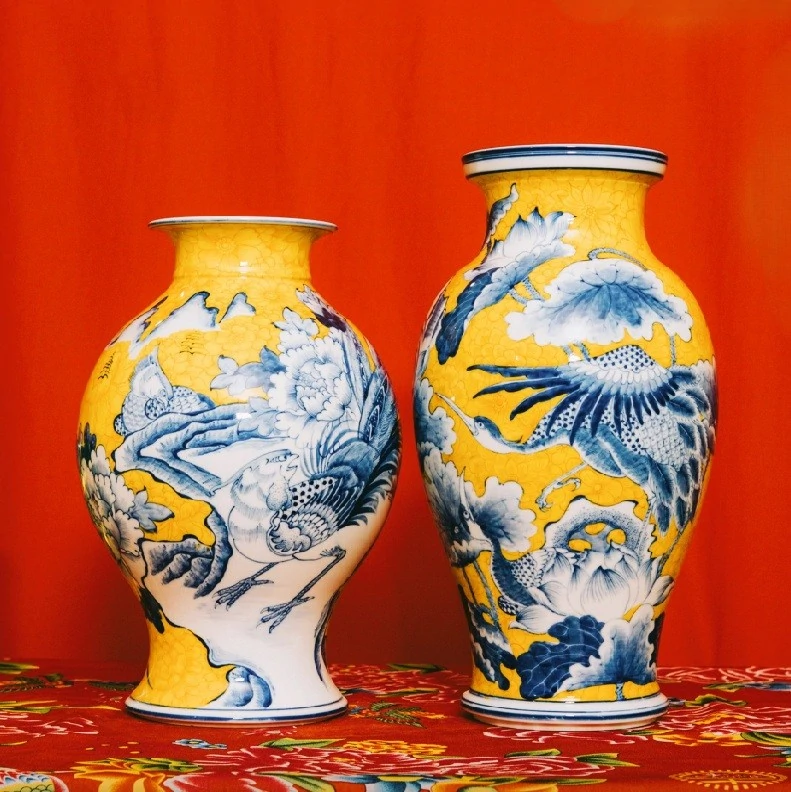
1. Earth: yellow (example: earthenware, pottery)
2. Fire: red (example: candles, electronics)
3. Metal: white, beige, silver (example: metals, shiny hard surfaces)
4. Water: dark blue, black (example: water, glass, mirrors, crystal)
5. Wood: blue, green (example: plants, paintings of trees, cut flowers)
Twenty Seven is a Powerful Practice
Why 27? In numerology, 2+7= 9, nine symbolizing completion and a fresh start, making it an inspirational number for transformation. This practice suggests to move or change your interior and exterior living space. For example; clean/organize closets and rooms, rearrange furniture, fix stuck windows. Overall address your home or office stagnant energy.
Living with Art
- Incorporating Artwork Artwork can create a distinct personality for your home adding artwork is crucial. Artwork can make a house feel more lived in, evoke positive emotions and provide comfort. I encourage everyone to curate a space that's uniquely yours!
- How to Choose Art for Your Home There are many ways to select art for your home, below are just a few topic to think about before selecting an item.
- - Get inspired and do your research - What does the artwork convey?
- (emotionally, subject matter, and is it appropriate for the room?) - Select a style that fits your personality - Decide on colors that are harmonious to your living space
- - Pick the size of your artwork based on the space
- - Note that viewing artwork does have healing powers. It has been proved by science that viewing artwork can lower your bodies stress, improve your learning and creativity. In addition, extend your lifespan, and combat loneliness.
- For creating the perfect balance of tones for a room try the 60 30 20 rule. This simple decorating rule suggests that you cover your room with 60% of a dominant color, 30% of a secondary color, and 10% of an accent shade.
Interior Design, Five Human Senses
Designing a home with all five senses in mind turns it from a purely visual space into an immersive, comforting sanctuary.
By thoughtfully engaging sight, touch, sound, smell, and taste, you can create a home that supports well-being, comfort, and a strong sense of personal connection.
The five human senses; sight, hearing, smell, taste, and touch can help us perceive the world through specialized organs: the eyes, ears, nose, tongue, and skin. These organs detect stimuli and send signals to the brain, enabling us to understand and respond to our surroundings.
The Strongest Human Sense is Smell
Although vision is often seen as the dominant sense because people depend on it most to gather information about their environment, smell is considered scientifically powerful due to its strong link to emotion, direct connection to the brain, and high sensitivity.
The Weakest Human Sense is Taste
Taste is a sensory function linked to the central nervous system and is often considered the weakest of the five senses. It begins with taste buds, which are located in large bumps on the tongue called fungiform papillae.
SIDE NOTE:
As noted above, our society is traditionally taught to recognize the five senses described above but humans actually possess a total between twenty two and thirty three senses.
These additional senses include balance, internal body awareness, and temperature detection.
Glass Tinting and Window Glare
How Glare Changes Paint Color
Glare from windows can wash out wall colors, making dark shades appear lighter and bright whites look overly harsh or distorted. Strong sunlight and reflections, especially on glossy finishes, can shift the perceived hue and obscure subtle undertones.
Glass Tint (or low-E coatings) To reduce color distortion from tinted glass or low-E window coatings, adjust the room’s lighting or choose paint with warmer undertones. If the windows create a cool or green cast, test samples with peach, pink, or red undertones, or replace the window film if an added tint is causing the issue. Suggest to use a warmer color mixed into your primer paint.
Glass Tint (or low-E coatings) To reduce color distortion from tinted glass or low-E window coatings, adjust the room’s lighting or choose paint with warmer undertones. If the windows create a cool or green cast, test samples with peach, pink, or red undertones, or replace the window film if an added tint is causing the issue. Suggest to use a warmer color mixed into your primer paint.
Core Sensory Design Summary
1. Sight: Balance and Ambiance
Visual design shapes a room’s mood and overall atmosphere.
Biophilic Elements: Use natural elements like wood, sunlight, and plants to support well-being.
Color Psychology: Use colors to promote specific emotions.
Layered Lighting: Use a mix of accent lighting, ambient, and task.
Visual Interest via Odd Numbers: Group decorative items in sets of three, five, or seven to create visually engaging displays.
2. Touch: Tactile Depth, Comfort and Warmth
Texture adds warmth, depth, and comfort while softening the uniformity of smooth surfaces.
Luxurious Textiles: Choose high-quality materials for surfaces that touch the skin, such as bedding, rugs, and sofa upholstery.
Mix Materials: Combine varied textures, such as velvet cushions, wool throws, and natural wood tables.
Texture-Rich Finishes: Suggest to use textured wall finishes, wallpaper, or natural elements like stone and timber to invite interaction.
3. Sound: Acoustic Comfort, Peace and Stillness
Sound influences a space’s atmosphere, making it feel either cold and echoing or warm and intimate.
Active Soundscapes: Add water features to create soothing, natural white noise.
Curated Audio: Use smart speakers to play music, soundscapes, or nature sounds that match the room’s purpose.
Sound Absorption: To reduce echoes and soften acoustics try to use rugs, heavy curtains, and soft furnishings to reduce echoes and soften acoustics.
4. Smell: Atmospheric Scenting, Mood and Memory
Layering Scents: Use a consistent scent signature throughout the home, or vary them by room (e.g., lavender for relaxation in the bedroom, rosemary in the kitchen).
Natural Fragrance: Use fresh air from open windows, fragrant plants, or high-quality candles and essential oil diffusers to prevent synthetic or overpowering odors.
5. Taste: Sensory Hospitality, Welcome and Connection
Engaging the sense of taste helps connect residents and guests to the home through hospitality.
Curated Displays: Display fresh, edible items like fruit or nuts in decorative bowls on kitchen counters or dining tables.
Hospitality Stations: Set up a bar cart or coffee station with drinks and snacks to make guests feel welcome and add a touch of luxury.
Color: affects Part 1, Part 2, Part 3 (above)
Home Styles: interior style guide
Workshop: learn how to paint watercolors